
Automotive emblems have evolved from simple decorative badges to powerful symbols that embody a brand’s identity and values. They capture attention, inspire loyalty, and represent heritage and innovation. From classic metal logos to illuminated emblems, each design tells a story.
The Evolution of Auto Emblems
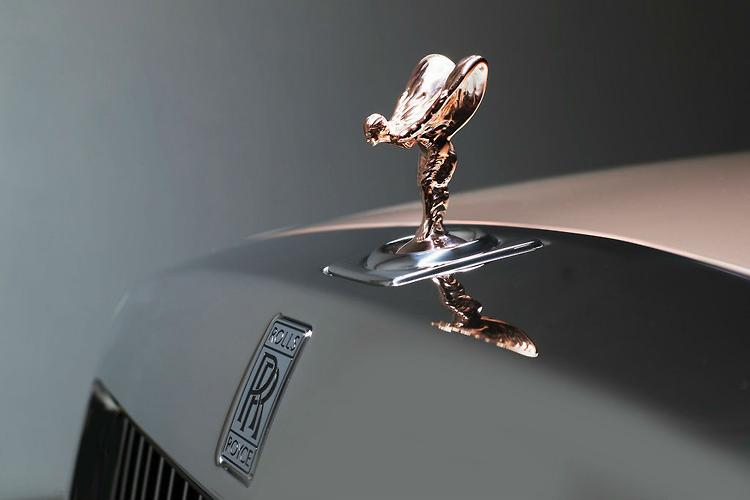
Historically, auto emblems were solely about style and a mark of luxury. Car manufacturers would ensure that each design was sleek and distinctive, aligning with the overall aesthetics of the vehicle. Early emblems were crafted in metal and often featured intricate engravings that symbolised prestige.
Today, significant developments in manufacturing and design techniques have redefined these icons. The market, as forecast by MarkWide Research, is projected to grow at a CAGR of 4.8% from 2023 to 2030. This growth reflects not only economic expansion but also the ongoing demand for striking brand imagery in a competitive industry.
Modern technological advances have allowed designers the freedom to innovate with new materials and integrated technologies. Techniques such as LED lighting now offer a dual function: enhancing visibility and elevating the car’s design. This evolution of the emblem into a sophisticated gadget is reshaping its role in vehicle branding.
The Importance of Brand Identity
Auto emblems are no longer a mere accessory; they have become a statement of brand philosophy. A well-crafted emblem instantly communicates what a brand stands for, whether it’s luxury, performance, or adventure. Consumers relate to these symbols in a way that transcends the traditional notion of a mere logo.
Market Research Intellect notes that emblems have become essential components of branding strategies. Car buyers instantly recognise and connect with these marks, knowing that each emblem conveys a unique story. In Australia and beyond, these symbols stir deep emotions, often invoking nostalgia, trust, and aspiration.
For manufacturers, the emblem is a cornerstone of identity. It suggests reliability, quality, and the promise of innovation. For instance, luxury vehicle buyers under the age of 40 prioritising customisation options, such as LED-illuminated logos, highlight how crucial it has become to adapt to modern consumer trends. The emblem, in this respect, acts as both a brand signature and a promise of the vehicle’s performance and character.
Integrating Modern Technology into Emblems
LED Lighting: Adding a Modern Twist
The integration of LED lighting into auto emblems has redefined their visual appeal. Manufacturers increasingly use LED technology not just for aesthetics but also for enhanced functionality. The glowing effect of LED emblems provides a futuristic look, catching the eye even in poor lighting conditions.
This modern twist serves a dual purpose. It boosts the vehicle’s design clarity during the night, ensuring that the emblem stands out. Additionally, this touch of innovation aligns the brand with the latest advances in automotive technology, confirming a commitment to both style and functionality.
In markets such as North America, where the metal emblem and logos segment was valued at USD 130.7 million in 2023, the adoption of LED lighting has been instrumental. This trend is expected to further drive market growth at the same impressive CAGR, reinforcing how combining tradition and new technology can lead to a thriving business model.
Enhancing Safety and Visibility
The illuminated nature of modern emblems does more than just uplift aesthetics. Enhanced visibility plays an unexpected role in safety. With increased visibility at night and during inclement weather, these illuminated symbols help drivers in recognising vehicles on the road, potentially reducing accidents.
Statistical studies highlight the critical nature of technology in everyday driving. For example, research on Advanced Driver Assistance Systems (ADAS) reveals that over 70% of drivers activate these features most or all of the time. Although ADAS is focused on safety and navigation, the prevalence of high-tech solutions, such as LED-integrated emblems, underscores a wider trend towards safer driving environments.
This trend aligns with the growing emphasis on driver security and smart technology in the automotive sector. By incorporating cutting-edge elements like LED, manufacturers do more than enhance design; they contribute meaningfully to the overall safety and efficiency of modern vehicles.
Design as a Reflection of Brand Values
Heritage and Innovation in Harmony
Each emblem is a tribute to a brand’s journey, reflecting historical achievements while also projecting a forward-thinking vision. Emblems that integrate historical design cues with modern aesthetics serve as a tangible reminder of a brand’s heritage, while also appealing to the dynamic tastes of modern consumers.
Manufacturers pay close attention to the subtleties of design. The fusion of traditional motifs with contemporary technological elements like LED lighting juggles the demands of heritage and modernity seamlessly. This balance assures loyal fans and beckons new customers, thereby reinforcing a broad appeal.
The alignment with a brand’s core principles is vital. An emblem must resonate with the intended audience. In markets where luxury and premium vehicles dominate, the emblem functions as a subtle yet powerful communicator of exclusivity, quality, and innovation. Each element, from material choice to lighting, is chosen with precision to echo the sentiment behind the brand’s promise.
Emblem Customisation and Consumer Engagement
Modern consumers, particularly younger and more dynamic automotive buyers, seek a personal connection with their vehicles. Customisation has emerged as a defining feature in the luxury segment, with over 65% of luxury vehicle buyers under 40 highlighting its importance. Emblems that can be tailored or even feature customizable LED displays are particularly attractive to this demographic.
Customisation extends beyond aesthetics. It represents personal expression and reflective identity. For many, their car is more than just a mode of transport; it is a statement of personal style and taste. Therefore, the emblem, when personalised, becomes an extension of the individual, fostering a deeper bond between either the car or the brand, and its owner.
Automotive companies now offer a range of options to allow clients to tweak their emblems. This can vary from colours to lighting patterns and even subtle design adjustments. Such options enhance brand loyalty, as customers feel they are part of a unique narrative crafted specifically for them.
Market Statistics and Future Projections
Growth of the Global Emblem Market
The global automotive emblem market is on an upward trajectory, with forecasts indicating a growth rate of approximately 4.8% over the next several years. Such steady progress also reflects the increasing importance of branding in the automotive industry. As companies vie for a competitive edge, every visual element is executed with careful precision.
Growth in this niche market can be attributed to multiple factors. Prominent among them is the move towards customisation and integration of advanced technology such as LED lighting. These factors have helped manufacturers not only attract a broader spectrum of customers but also command premium pricing for their vehicles.
As revealed by comprehensive research, regions such as North America have effectively capitalised on this trend, with the metal emblems and logos market showing promising returns. This serves as a case study for other regions contemplating similar upgrades in design and functionality.
The Influence of Advanced Technologies
The relationship between advanced automotive technologies and emblem design has grown noticeably closer over the past few years. While the primary function of an emblem remains branding, modern features such as LED illumination add layers of complexity and utility. These enhancements are reflective of the broader tech integration seen across the automotive sector.
Advanced design features, such as dynamic lighting patterns and interactive displays, are now emerging in higher-end models. They offer more than just an aesthetic appeal; they hint at a vehicle’s commitment to technology and innovation. From autonomous driving systems to sophisticated driver assistance features, technology marks its influence on every aspect of modern motoring.
The integration process often involves collaborating with tech experts who can marry design with digital functionalities. With the industry showing an ever-increasing reliance on tech innovations, such design enhancements may soon become standard, further pushing the boundaries of what an emblem can do.
Emblems and Cultural Significance
Emblems Beyond the Vehicle
For many, the emblem is a cultural artefact. It is not limited to the vehicle alone but becomes part of the broader corporate identity. Emblems are displayed in marketing materials, event sponsorships, and even on digital platforms. They transcend their physical form to represent an entire lifestyle.
The cultural impact of an emblem is profound. In Australia, for example, automotive enthusiasts take pride in both the heritage and modernity that these symbols embody. They often debate over classic designs versus contemporary innovations, linking personal experiences with the evolution of automotive technology.
This shared cultural significance cements the emblem’s role as a unifying symbol among fans of the brand or the model. It becomes an icon that is instantly recognisable, fostering a sense of belonging within a community of motor enthusiasts.
Brand Loyalty Through Symbolism
An emblem is much more than just a decorative element. It encapsulates the ethos of a company and creates a visual shorthand for its entire narrative. Consumers tend to form a connection with a brand when they believe its emblem accurately reflects their values and tastes.
This connection fosters brand loyalty, with many customers developing an emotional attachment to the symbol. Owning a car with a familiar emblem can evoke memories of past experiences, turning a purchase into an ongoing relationship. Automotive companies recognise this and invest significantly in ensuring that the emblem remains consistent and innovative over time.
Such brand loyalty transcends geographical boundaries. Whether in bustling city streets or remote Australian outbacks, a well-known emblem instils confidence and trust in the vehicle. This trust, in turn, reinforces the brand’s market standing and pushes its sales figures upward.
The Role of Emblems in Marketing and Advertising
Emblems as a Marketing Tool
Marketing strategies have tapped into the power of the auto emblem to develop compelling brand narratives. Emblems are often one of the first visual elements consumers notice, making them highly effective in conveying a brand’s personality. Their design, whether it’s robust, sleek, or sophisticated, sets the tone for all subsequent advertising efforts.
Advertisers frequently incorporate these symbols into campaigns to evoke emotions. When people see the emblem, it triggers associations with quality, performance, and innovation. This visual cue is strategically placed in advertisements, digital media, and promotional materials to build and sustain brand awareness.
In an increasingly digital age, the emblem’s role is not confined solely to physical vehicles. It now features prominently in online ads and social media posts, proving that modern branding is as much about digital presence as it is about the tangible product. Its recognisable design serves as a global signifier of trust and reliability, resonating with diverse audiences.
Cross-Platform Presence and Engagement
The emblem’s flexibility allows it to shine across multiple platforms, both digital and traditional. Whether featured on websites, mobile apps, or printed media, these designs capture attention and convey a powerful sense of identity. For automotive brands operating in a competitive market, this cross-platform consistency is essential.
Social media has emerged as a vital medium where the emblem is used to engage with potential and existing customers. Interactive content featuring the emblem often invites discussions, reviews, and shared experiences among car enthusiasts. This dynamic engagement is crucial in fostering a vibrant online community.
Automotive firms invest in high-quality imagery and personalised content that emphasise the emblem’s design and story. Consistency across platforms builds familiarity and trust, ensuring that whether a consumer encounters the brand online or in person, they receive a cohesive brand experience.
The Future of Auto Emblems
New Trends on the Horizon
Looking to the future, auto emblems will likely incorporate even more advanced digital features. With consumer preferences evolving, designers are set to experiment with interactive interfaces that may offer real-time customisation options. This will further blur the lines between traditional harmony and modern utility.
Innovations such as augmented reality (AR) displays on emblems may soon allow drivers and enthusiasts to interact with the brand in entirely new ways. Envision a scenario where a potential buyer can use their smartphone to receive detailed brand history or interactive content just by focussing on the emblem – the convergence of technology and design promises exciting developments.
Furthermore, as environmental concerns and sustainable practices gain prominence, future emblem designs may also integrate eco-friendly materials and energy-efficient lighting. Manufacturers around the globe, including those in Australia, are looking at sustainable manufacturing processes that retain the emblem’s appeal while reducing environmental impact.
The Continued Relevance of Emblems in a Digital Age
Despite the rapid growth of digital marketing and communication, physical symbols like the auto emblem remain significant. They form a bridge between the tangible and the digital, offering a point of contact that endures even in the age of smartphones and social media.
The emblem’s enduring appeal lies in its simplicity and recognisability. An emblem is an immediate visual shorthand that summarises a brand’s history, values, and future ambitions. Consequently, we can expect that as long as branding remains crucial, the emblem will continue evolving in parallel with emerging technologies and consumer expectations.
As research and industry reports suggest, the emblem market is not just in line with exponential digital innovations, but it remains a steadfast cornerstone in a brand’s overall strategy. A future where technology integrates seamlessly with traditional branding is already taking shape, and auto emblems are at the forefront of this transformation.
Practical Implications for Car Buyers and Enthusiasts
What to Look for in a Modern Emblem
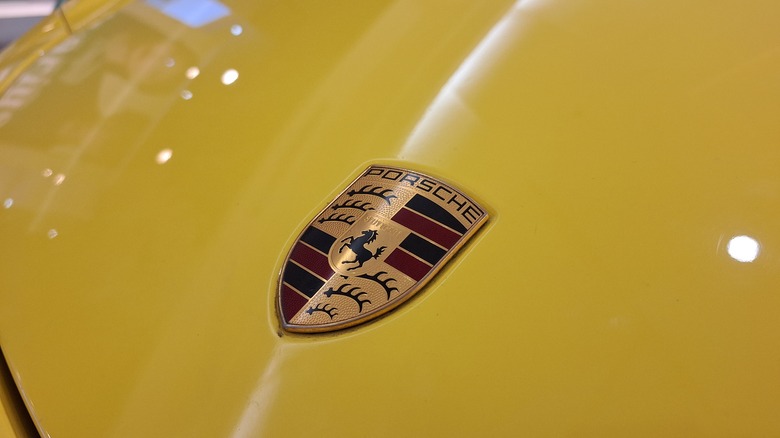
For car buyers and enthusiasts, the emblem is often the first touchpoint in experiencing a vehicle’s brand. It is wise to consider not only the aesthetics but also the underlying technology – such as LED lighting and customisation features – that distinguish one emblem from another.
Consumers should pay attention to the story behind the emblem. Investigating the brand’s heritage, the evolution of its emblem, and how modern innovations are incorporated can add context to the overall appeal of the vehicle. This comprehensive view enables a more informed purchase decision.
Additionally, many buyers now value functionality alongside design. Emblems that offer enhanced visibility and compatibility with digital interfaces can contribute means to a safer driving experience. Such details may seem subtle but add up to a smarter, more engaging interaction between the driver and the car.
Emblems as a Reflection of Individual Style
A car is often an extension of one’s personality and lifestyle. Emblems allow for personalisation that can reflect the owner’s tastes and preferences. Options like LED colour adjustments, material finishes, and even customised engravings contribute significantly to a vehicle’s overall charisma.
For many enthusiasts, editing or tailoring the emblem feels like curating a personal piece of art. Whether it’s embracing a vintage look or opting for something contemporary and crisp, auto enthusiasts in Australia and globally appreciate that the emblem encapsulates the essence of both form and function. It is a statement piece that distinguishes a car in a crowd.
This trend towards personalisation has practical repercussions in showroom experiences and subsequent ownership. The opportunity to choose or modify emblem features creates a sense of involvement, making the buying process more interactive and rewarding. It transforms what was once a static design element into an active part of a driver’s identity.
Concluding Thoughts
Auto emblems have transcended their traditional roles by becoming fundamental symbols of brand identity. They blend art, technology, and the core values of a company, thereby influencing consumer perceptions and loyalty. With a steady market growth rate and the continued integration of cutting-edge innovations such as LED lighting, these emblems are set to remain at the forefront of automotive branding.
Whether through a refined metal badge or a digitally enhanced design, the emblem represents a brand’s legacy and its ongoing commitment to progress. For car buyers, enthusiasts, and industry stakeholders alike, understanding the significance of the auto emblem is key to appreciating the broader narrative that each vehicle represents.
The journey of an emblem from a simple design to a complex, multifaceted symbol is a testament to the evolving needs and aspirations of modern consumers. It also highlights the importance of marrying tradition with technology to build a recognizable, trusted, and engaging brand identity in today’s competitive automotive landscape.
Click here What Are Custom Blazer Patches Used For in Clubs and Schools?
